Year after year the importance of current affairs is increasing in UPSC Civil Service Examination. In fact, in the new pattern for Mains, about 65% questions from GS I, II and III are either straightaway from the current affairs or are related to something in news. Similarly, the weightage of current related questions in Optional is on rise. Moral of the story: Study of current affairs has to be adequate and comprehensive.
Questions based on Current Affairs
It is important to know what kind of questions are asked from current events. This helps developing the perspective for studying current affairs. Let us see how the news articles get translated into questions.
Mains: There are three ways in which Current issues can be used to frame questions in Mains exam.
Type A: Question directly on the news. These are quite straightforward questions. Simply reading newspaper is enough to write the answer. But to write good and impressive answers you need information beyond the news article.
- GS II 2013- Developments in Maldives.
- GS III 2013- UDRS in Cricket.
- Pol Sci 2013- Non-Alignment 2.0
Type B: Question about the concept in news, which is from core part of syllabus. The news acts as a trigger here. Though the answer here is from books, we can definitely make it enriched with giving the context of the news article.
- GS I 2013- Regionalism and Separate state. News- Telangana agitation.
- Pol Sci 2013- Ethnic politics. News- Gorkhaland issue, Rampa riots in Assam.
Type C: Question about the basic background information related to the news. Here your knowledge beyond the news is actually tested. This is the type of questions which differentiate between an average paper and a good paper. This is where we can score more and take lead over others.
- GS I 2013- Naming of Cyclones. News- Phailin.
- Geography 2013- Venezuela as oil producer. News- Hugo Chavez’s death.
- GS II 2013- Sec. 66A IT act vs Article 19. News- Many related cases including case of Palghar girls in Nov 2012.
Further, most of the traditional Essay topics are linked with current events.
E.g. 2011- Small States (Telangana issue)
2012- Working women (Vishakha judgement, Gender issues after Nirbhaya case)
2013- Science and Technology for growth, security (Science, Technology and Innovation policy launched in 2013, Also 100th Indian Science Congress was celebrated in 2013)
Lastly, in Optionals it is always better to use recent case studies from current affairs (also in GS). In fact, many of the questions in Paper II of Optionals like Geography, Political Science, Sociology are based on current events.
Prelim: Here, type A and type B questions are prominently asked.
All questions are from 2014 Prelim GS paper I.
Type A: Question directly on the news.
- Agni IV- Launch in Jan.
- Arab Spring- In news since 2011.
- Classical languages- Odiya, Malayalam got status, Marathi in progress.
Type B: Question about the concept in news.
- Sales tax- GST issue.
- Venture Capital- Mentioned in Interim budget.
- Arctic Council- Meeting in March, Canada had boycotted.
- Photovoltaics- Solar power project launched in Walsun (MP), Mar 2014.
- Ghadr/ Gadar movement- 100 years completed.
Interview: About half of your interview is based on current affairs. Most important part is current affairs directly related to things in your DAF/ Biodata. For instance, I was asked about Lance Armstrong doping issue (Hobby- Cycling), Why is Dale Steyn inconsistent in IPL (Hobby- Fast Bowling) and Details of GEAC report about Bt Brinjal debate (Stream- Biotechnology) in 2013 Interview. Current events can be used as examples to add weight to your answers.
Preparing for Current Affairs.
Major sources of preparing current issues are newspapers and magazines. In case of newspapers, I do not think there is need to read two newspapers fully. I would recommend reading one paper thoroughly and scanning the other one to read only uncovered news articles/ editorials. There is no compulsion to read one particular paper. The Indian Express, The Hindu (preferably Delhi edition-online) and Hindustan Times are better than others. Also there is no need to focus on each and every news. Pick up only news relevant from UPSC point of view. Practically, we need to go through only about 40% of the news articles. We can straight away neglect political and totally fact-based news.
Other important issue is how to make notes of news articles and editorials. I would suggest to use file and loose papers for flexibility. For making notes, news could be divided in different sections like Polity-Governance, Economics, Geography-Environment, History-Culture, Science-Technology and Others. Each news/ editorial can be written in respective section in short, covering only important facts. (In case of some news/ editorial loaded with information, paper-cutting can be pasted.) More importantly, write the background information about the issue there itself. If possible, even a rough sketch or map can be drawn or cut-pasted. This will help in thorough understanding of the issue. Some publications come up with current affairs compilations. But it is always better to prepare own notes and study using them rather than cramming up some readymade current affairs compilations just before exams. They can have many errors and focus only on superficial facts.
Magazines like CST, Chronicle should be used as supplementary source. Scan through the magazine and read only those articles which are not covered in your primary newspaper, and more importantly the articles which have analysis of the issue. Avoid re-reading same information from multiple sources. Magazines are specifically good for certain topics like Environment and International Affairs, as they cover minor issues too. Some articles from magazines can be useful for essay. Avoid wasting days in reading full issue of magazines.
Yojana is another important source of current issues. It is worth reading thoroughly as it can be very useful for topics like Development, Society, Agriculture in GS. Further it is a valuable source for essay preparation. Its special issues are very informative.
Internet, Radio and News channels are also used for current affairs. Only a few sites like Mrunal Patel or Jagranjosh are good in this sense. All India Radio’s discussions are very rich in content, for Mains and Interview. And in case of News channels, barring some notable channels like DD, RS/LS TV, NDTV and CNN-IBN all others are not even worth watching for a minute for getting news.
Last but not the least, the most important source of current affairs is your surroundings. If you keep your eyes and ears open, you are actually making yourself accessible to flow of varied information. Our surroundings have a lot of information triggers. In fact the veterans of these examinations can relate everything around them to something in syllabus. e.g. A label on Woolen shawl tells name of a major Woolen textile production centre or a big queue on Ration store on a particular day tells about Food Week of PDS. I know story of a successful officer who read about National Programme for control of Blindness from a hoarding while having tea before exam and then went in the exam hall to see the same question in 2011 GS question paper!! (Well, to be realistic we are not expected to capture each and every bit of information from surroundings like Sherlock but let’s just keep our eyes, ears open to see how much is humanly possible to grab!!)
There is a very interesting problem with Current affairs. Everybody gives considerable time to newspapers and magazines while studying. But the use of all this exercise in actual answer-writing is not satisfactory for most of us. Our answers remain largely bookish, with no linkage with current affairs. Thus, newspaper/ magazine reading becomes a mere formality with no concrete output as such.
There are two major reasons behind this problem. First and foremost, we simply ‘read the news’ and not ‘study the issue’. Focus should not be on the facts mentioned, but on the concepts related to the news. We need to go for the “Khabar ke peechhe ki Khabar”. For this, Internet can be the best friend.
Secondly, we do not give a thought to how are we going to use a particular issue in our answers. We expect that we will remember a particular issue while writing answer as a part of answer or as a case study. But it is too ambitious to expect remembering such information in the exam hall when you are under tremendous performance pressure. So while studying the issue, note down where you can use that piece of information as a part of answer or case study. This is very useful for Optional related news.
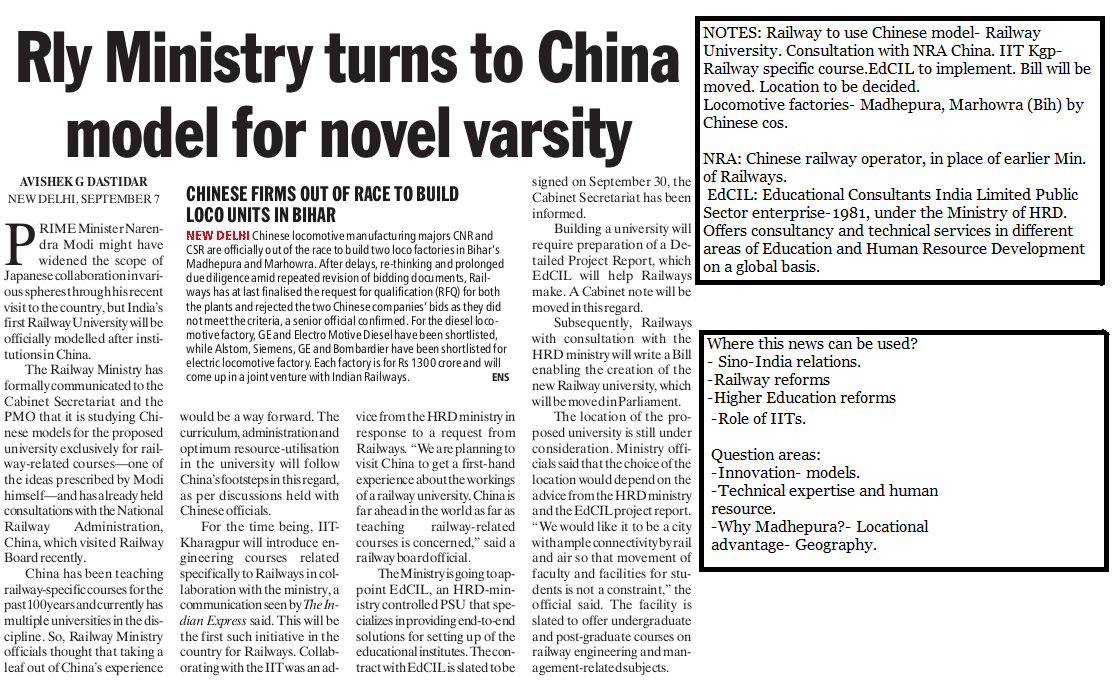
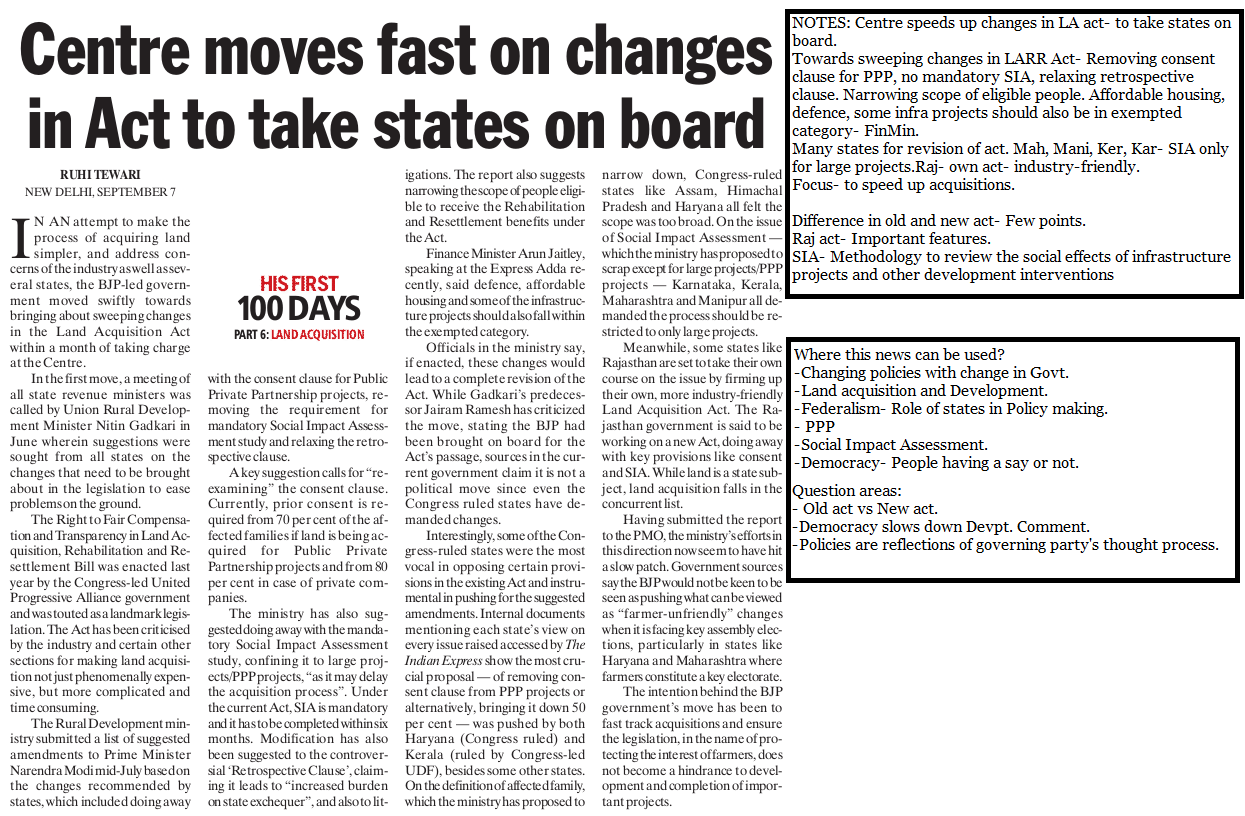
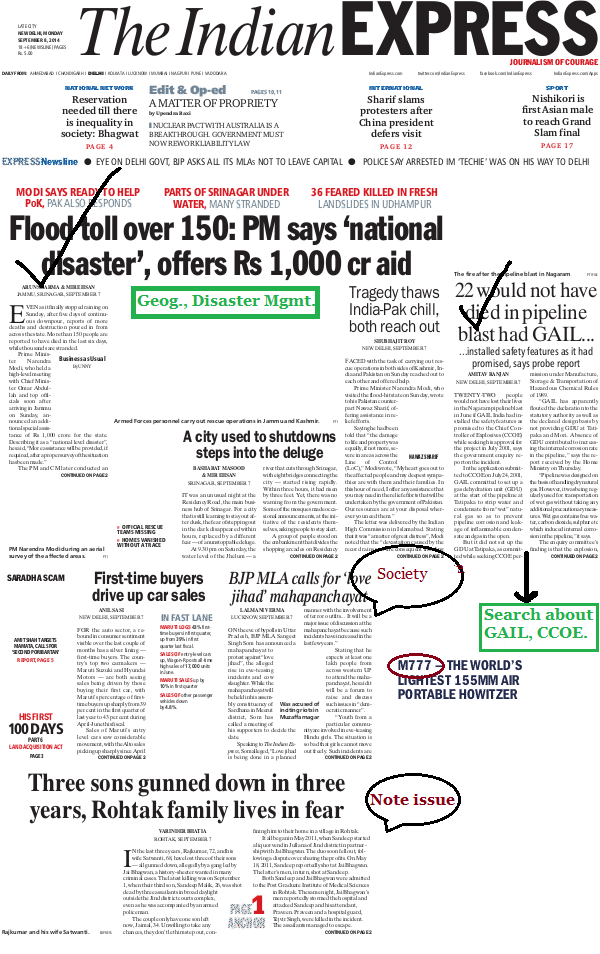
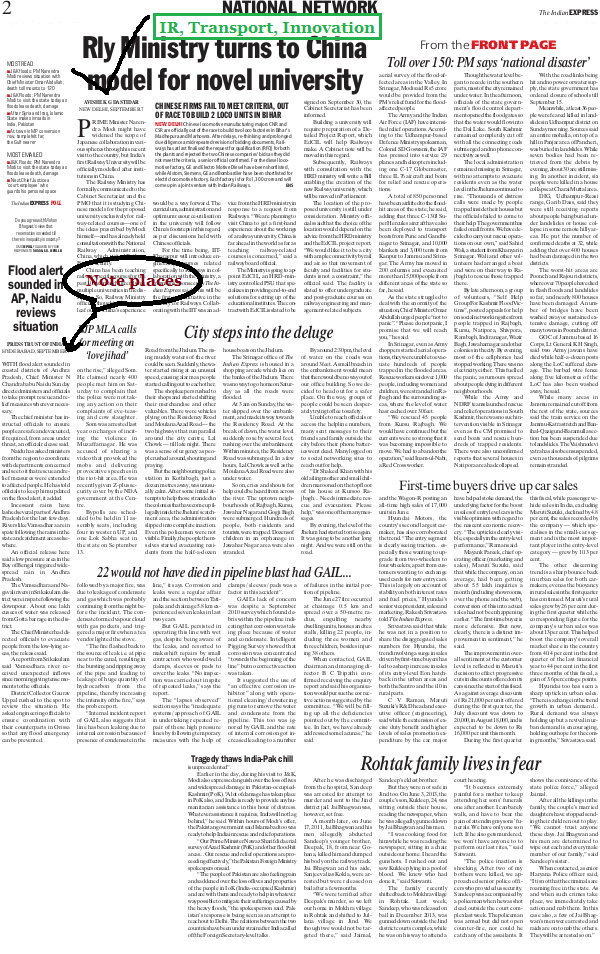
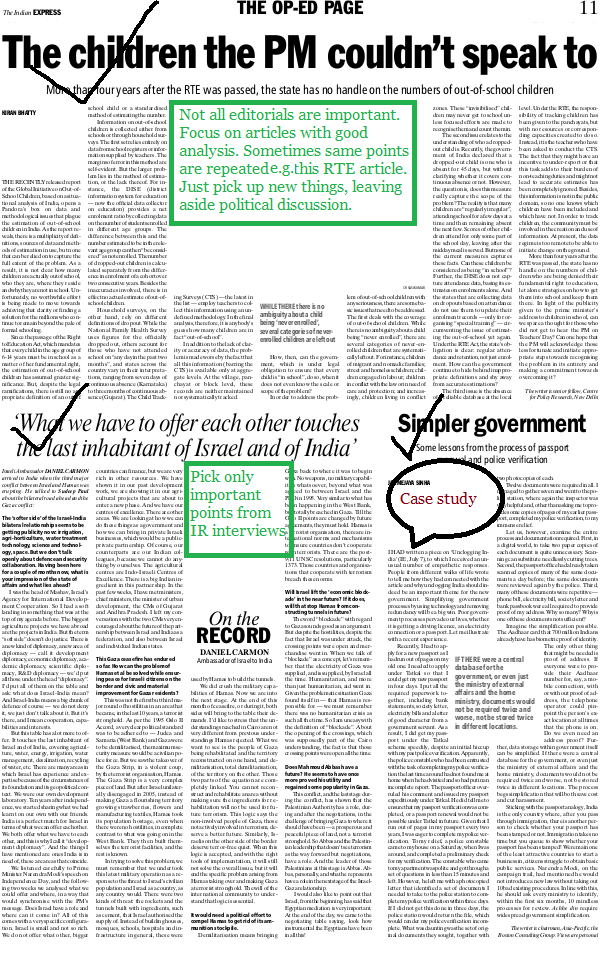
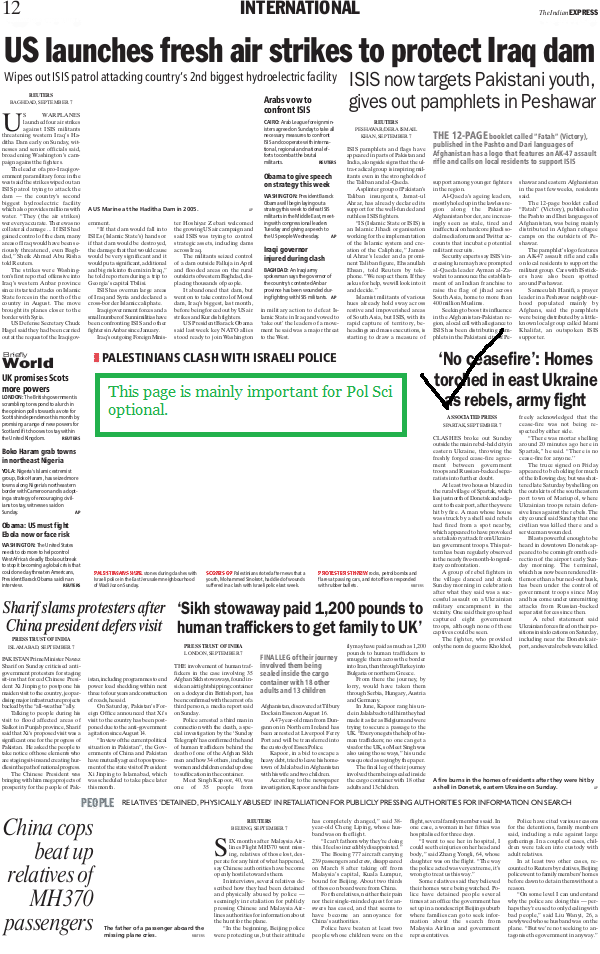
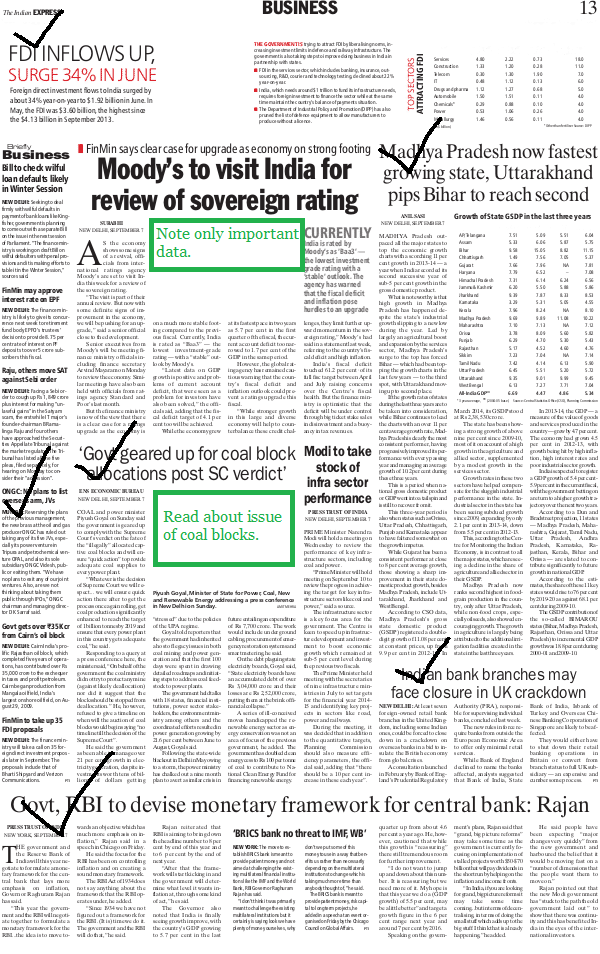
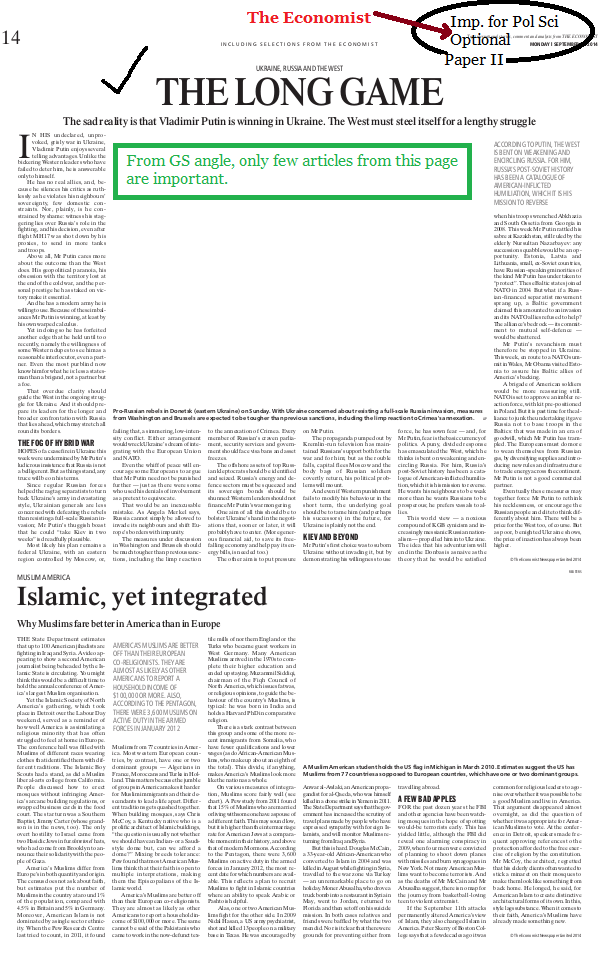
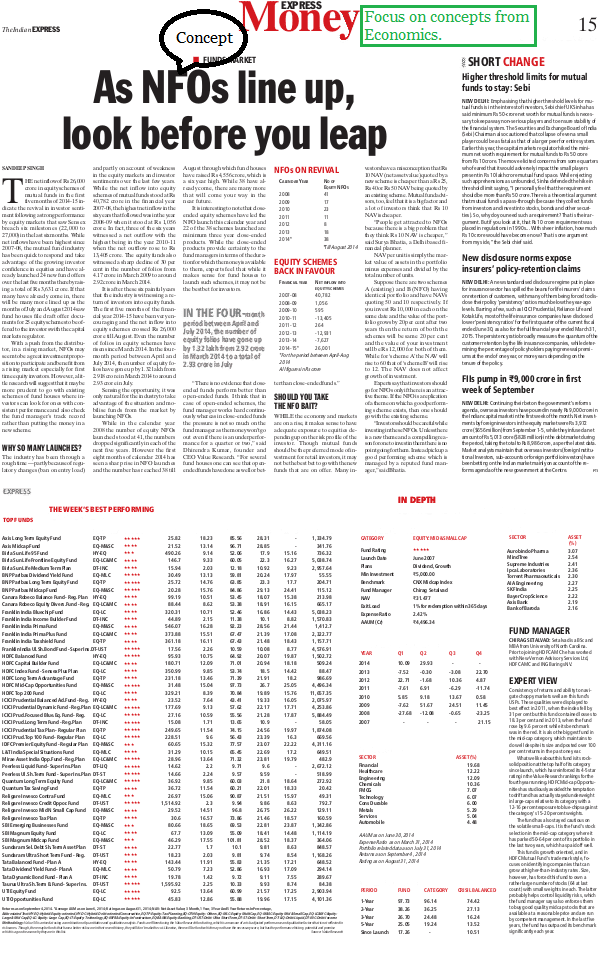
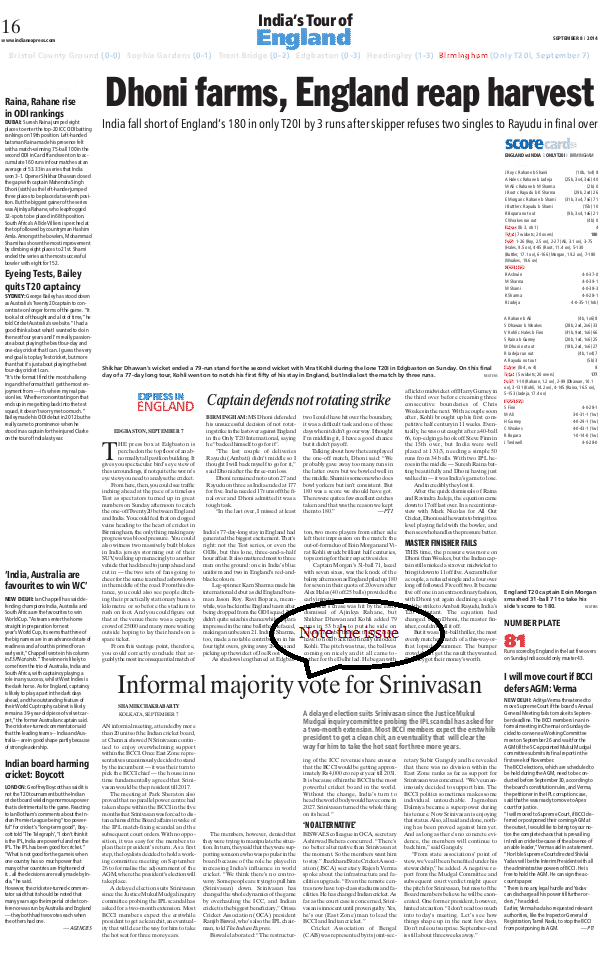
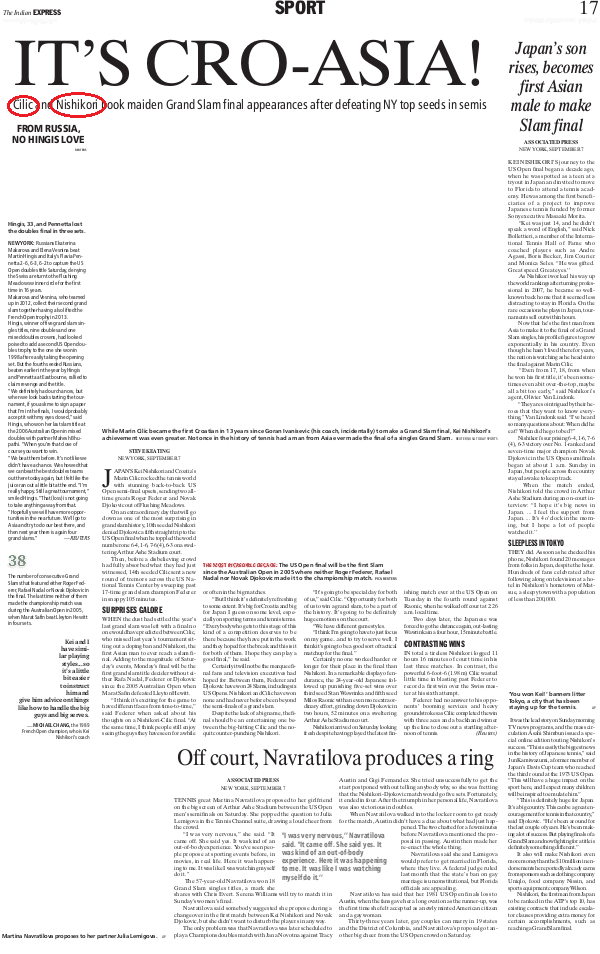
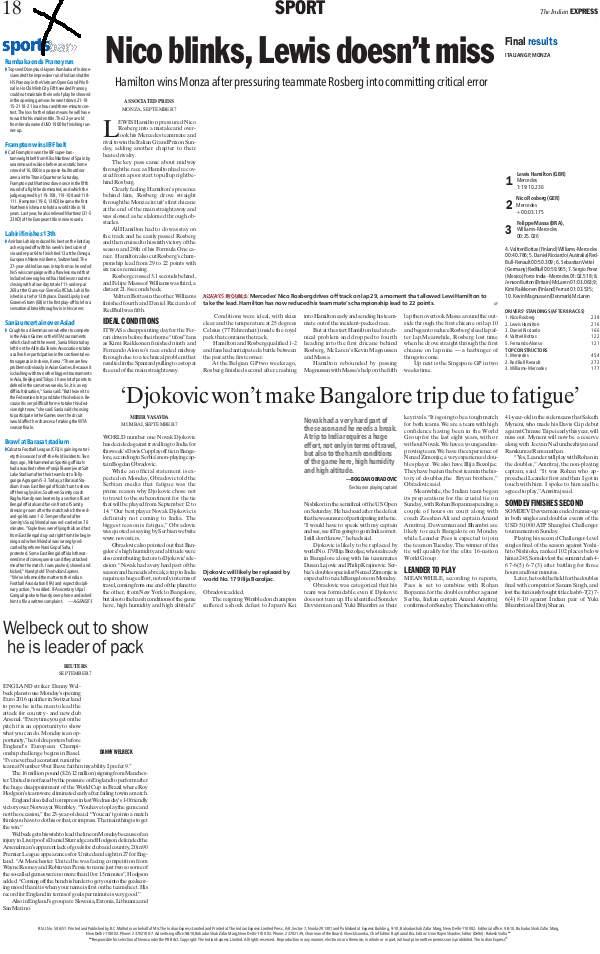
After all this preaching, I am presenting one practical way to STUDY newspaper (not necessarily the best way). This is Indian Express, Pune edition, 8th of September 2014. Firstly, have gone through two news articles in detail. Next, let’s see about the selection of news articles. I have marked the articles I found relevant and added some notes at some places.
(Click on images to enlarge)
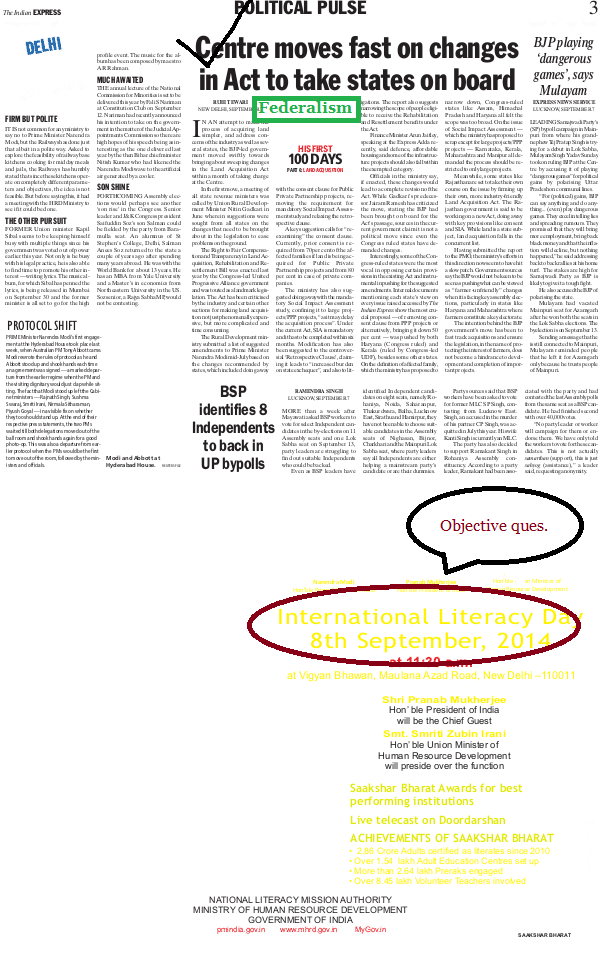
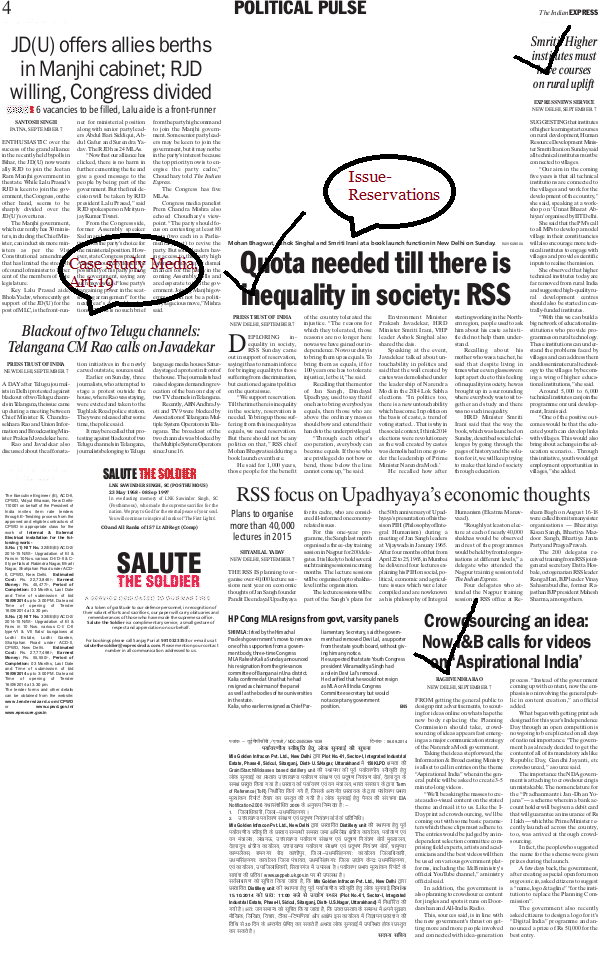
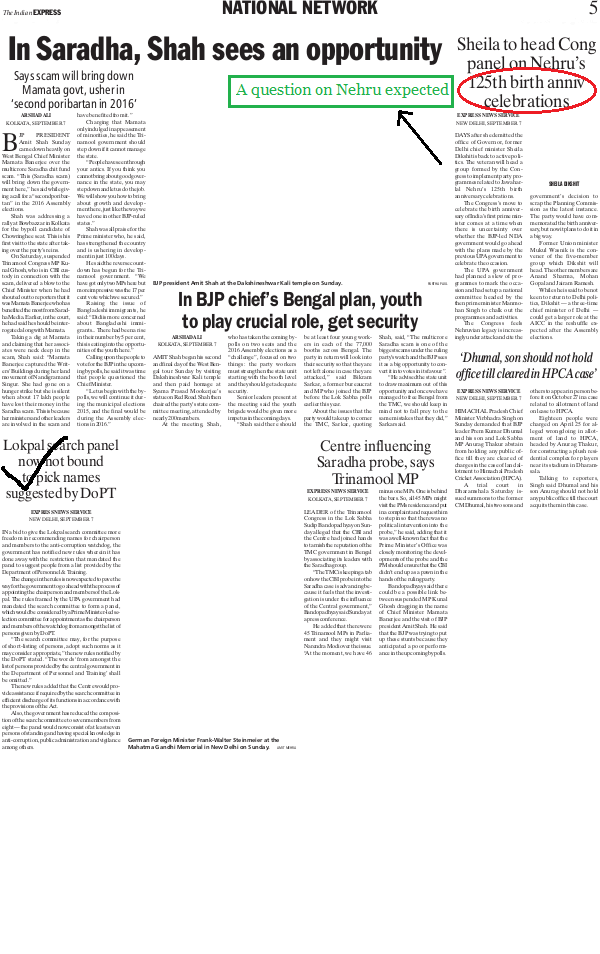
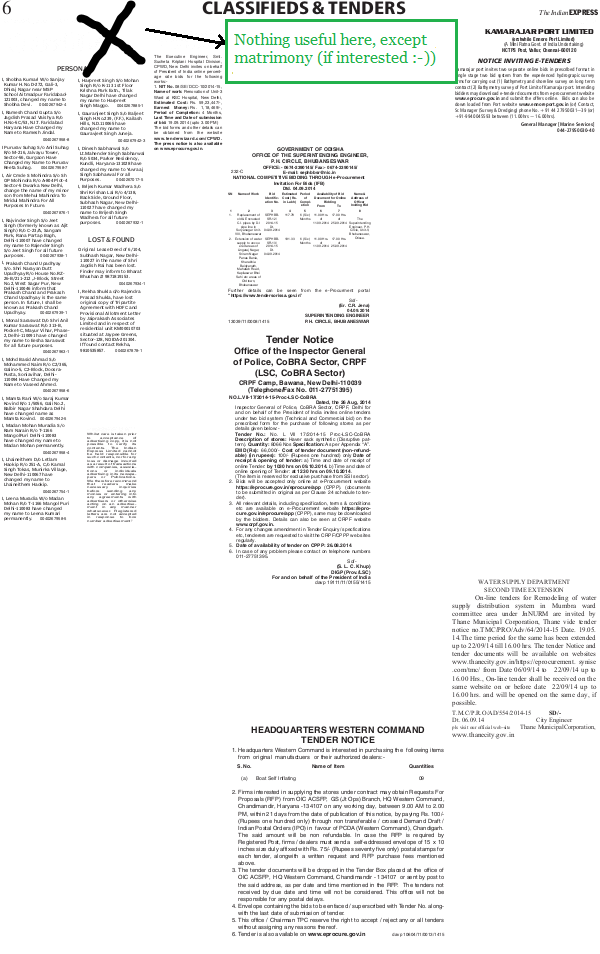
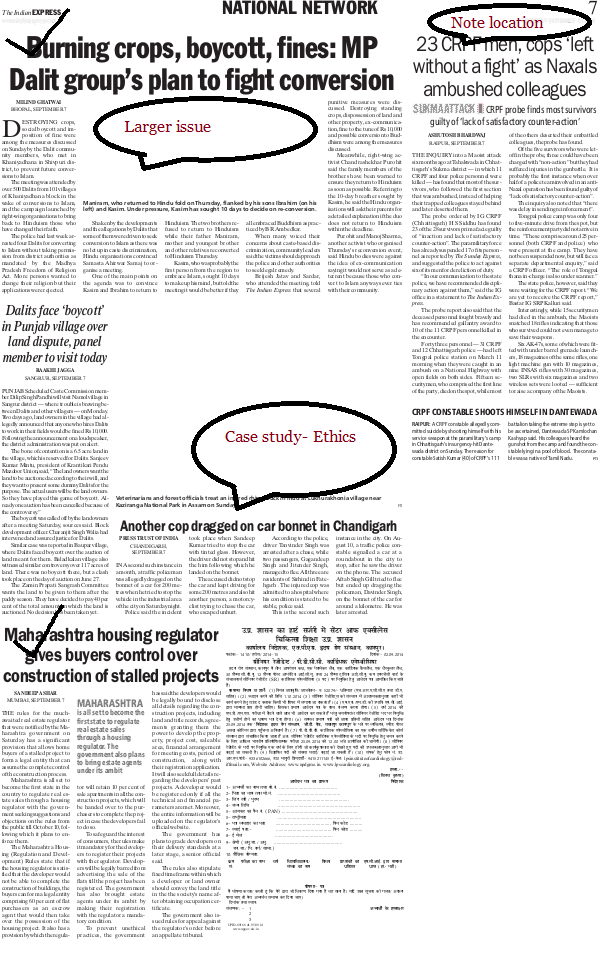
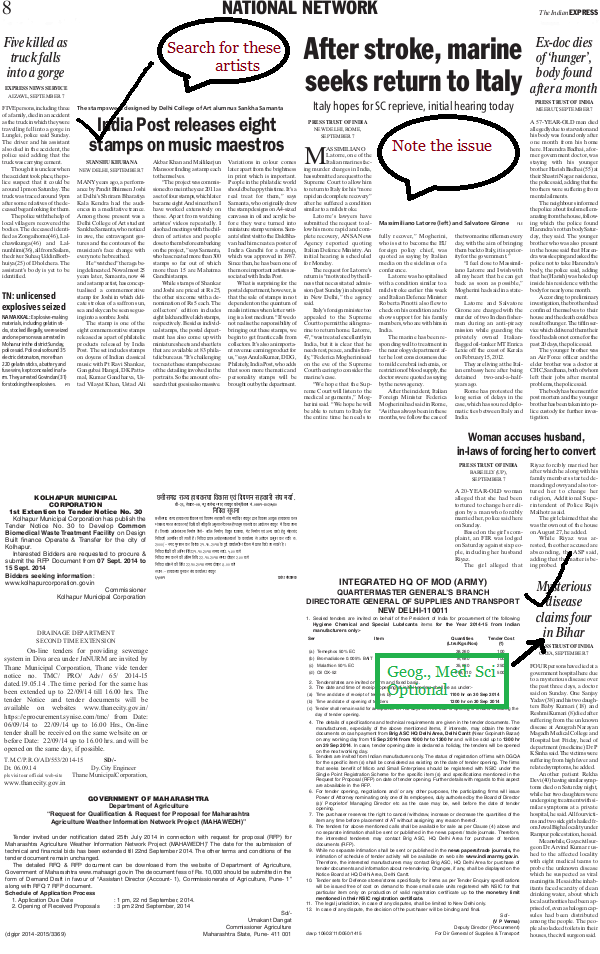
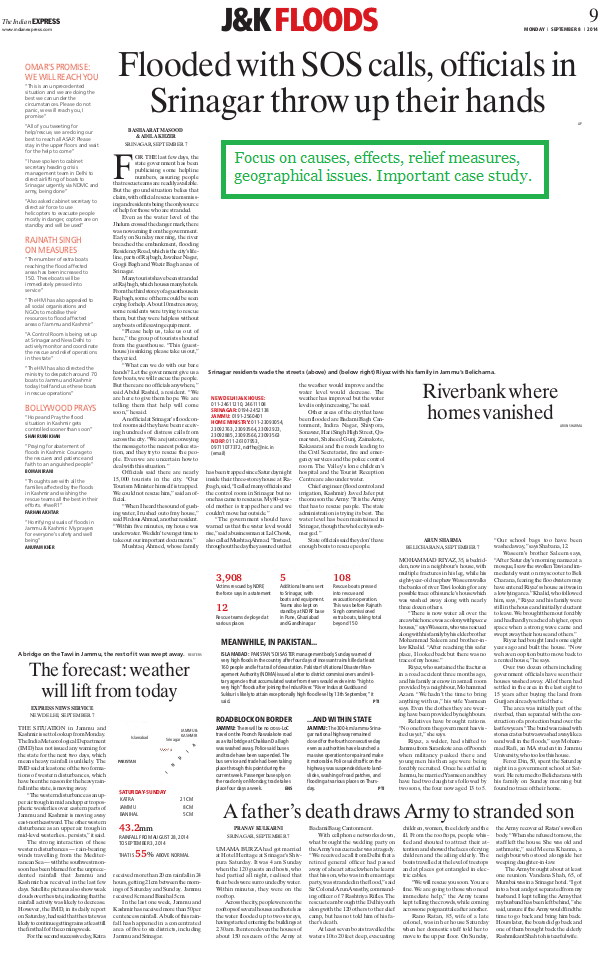
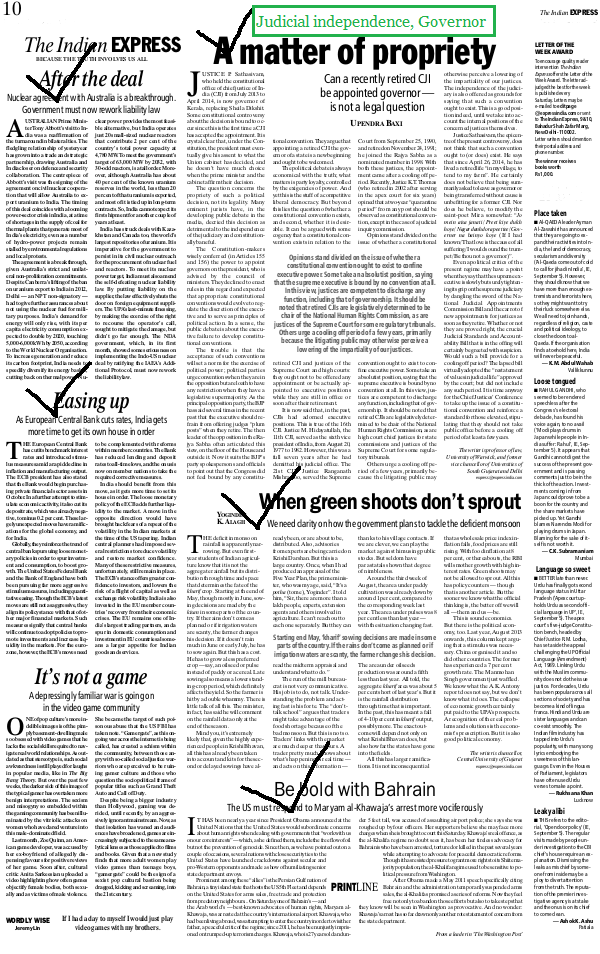
Friends, current affairs is probably the most challenging portion of our syllabus. But believe me, it is the part of your study which makes your answers enriched and different. An answer with appropriate linkage with current events and recent case studies shows the command over the topic. So to conclude, I would repeat my advice: Do not merely read but STUDY current affairs. Good Luck!! 🙂
 Expressions and Impressions
Indeed! I’ve never read such a complex issue in such a simplified manner!
After going through each n every sentence of the article (including the cuttings), I do hope for myself to flow better in the ‘Currents’ this time!!
Thank you! 🙂
LikeLiked by 1 person
Very nice, Informative and extremely useful article Abhijit. I have read many times about studying current affairs and reading newspaper but this is just awesome. hats off. Please come up with more such articles on gs mains strategy.
LikeLiked by 1 person
Very much useful article.. Thank you!!!
LikeLiked by 1 person
Dear Abhijit,
students like me are always confused abt how to deal wit such a vast data of current which is increasingly available in day to day affair with news papers, magazines n thru net, How to pick up d genuine bits from various sources. Ultimately many get discouraged n turn to routine core part of syllabus. So despite of giving much time, current is neglected. I think what u hav written here is d most efficient and simpliest manner in which u hav solved d strategy to deal with. Its really helpful to all and inspiring for current preparation.
I will request u to throw some light on method to prepare for Eco Survey as well as huge India year book and
time management which will enable d aspirants to cover all d syllabus including d current.
Thank u for ur enthusiastic support. 🙂
LikeLiked by 1 person
thanks sir
LikeLiked by 1 person
U have rightly explained those thin lines between information and misinformation
LikeLiked by 1 person
would it be fine if one starts reading newspaper in detail from December in a way as mentioned by you; and just overlooking and reading if anything very important for now.
LikeLiked by 1 person
Start overlooking from now. You will find that many news articles in December will have roots in news coming now. News coming in this period will build the background for future news.
LikeLike
superbbbb……..very very informative. ….thank u so much sir…
LikeLiked by 1 person
very very informative….thank u so much sir….
LikeLiked by 1 person
ok sure..
thank you..!!
LikeLiked by 1 person
Gud 1..
LikeLike
Sir what are your views on maintaing notes on OneNote/Evernote?
Is it advisable instead of file and paper?
LikeLike
Depends on your way of preparation. If you are doing it online, these options are good.
LikeLike
Thank you for the reply Sir.
My problem with paper notes is that there is a tendency for the material being scattered.For e.g. various good articles on say federalism lie scattered in various paper notes made from newspaper.But i prefer paper notes as they have a lot of advantage over electronic format mainly writing practice.
My question is how did you manage to collate the entire notes that you made on a specific topic say for e.g. federalism and likewise for other topics? So that their rightful use is ensured in mains.
LikeLike
I used loose papers and files wherein I kept all Polity news notes together, Economics notes together. Further I wrote the syllabus topic on every news. That helped to collate information.
LikeLike
Thank you for the reply.
Sorry for the re-post of my comment
LikeLike
Sir i prefer paper notes,but a problem i face is that the notes on various topics lie scattered.So even though material is there i am unable to ensure its use.
My question is how did you manage to pool the scattered resources on various topics at a single place?
Thank you
LikeLike
I found very important guidence here…….
LikeLike