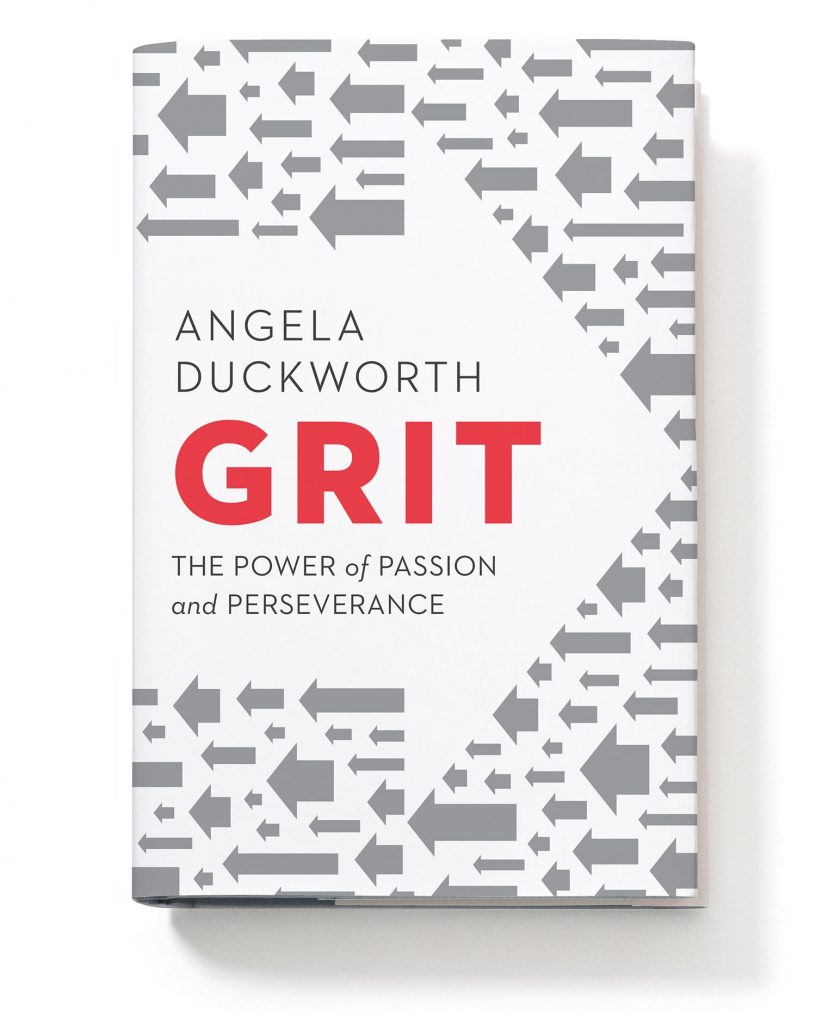
Angela Duckworth’s Grit: The Power of Passion and Perseverance, is a book that gives a detailed description of what grit and perseverance are and how they can be developed. The book explains why effort means more than talent when it comes to achieving long-term goals, how to cultivate grit through practice. Duckworth found grit to be a stronger predictor of high-achievement than intelligence, talent and other personality traits. The book talks about how to strike a balance between pain and pleasure during practice, and how to help your dearest people to build grit and reach long-term goals.
Highlights
Passion and perseverance are the components of grit
Passion means maintaining a deep interest in a meaningful long-term goal. Perseverance means continuing to work towards it despite setbacks, frustration and slow progress. Together, they provide direction and endurance. Grit involves caring about a pursuit long enough to keep learning and improving.
Talent is potential waiting to be developed
Natural ability can help us learn faster, but it does not automatically produce achievement. Our fascination with talent often makes us overlook the preparation behind exceptional performance. What matters is how consistently we develop our abilities and put them to use.
Effort counts twice
Effort develops talent into skill and then makes that skill productive. Whatever our starting ability, sustained effort plays a crucial role in determining what we accomplish. Duckworth explains the relationship through two equations:
Talent × Effort = Skill
Skill × Effort = Achievement
Interest: Discover, develop and deepen what engages you
Passion usually begins with curiosity and grows through engagement. Explore different activities, notice what repeatedly attracts your attention and give promising interests time to develop. Encouragement, growing competence and fresh challenges help an initial attraction become a lasting commitment.
Practice: Work deliberately on what needs improvement
Deliberate practice requires a specific stretch goal, full concentration, useful feedback and repeated correction. Focus on weaknesses rather than merely repeating familiar tasks. A regular routine makes this demanding work easier to sustain, while treating mistakes as information helps us improve without unnecessary self-judgement.
Purpose: Connect your effort with the well-being of others
Purpose develops when we recognise how our work contributes beyond personal achievement. It can emerge in any occupation through service, responsibility and useful contribution. Reflecting on whom our work helps and making small changes that connect it with our values gives perseverance a deeper reason.
Hope: Believe that your actions can improve the future
Hope involves looking for a constructive response when things go wrong. Instead of treating failure as permanent, examine what can be learned, changed or attempted next. This sense of agency helps us continue through difficulty while remaining realistic about the situation.
Keep your larger goal steady and your methods flexible
Daily tasks and smaller objectives should support a meaningful long-term direction. When a method proves ineffective, replacing it can help us progress. Grit requires judgment about what deserves persistence and what needs to change; it does not oblige us to remain committed to every past decision.
A growth mindset strengthens perseverance
Believing that abilities can develop changes how we interpret difficulty. A setback becomes evidence that our preparation or approach needs work, rather than proof that we are incapable. Seek feedback, adjust strategies and measure progress through learning as well as immediate results.
High expectations work best with genuine support
Parents, teachers and mentors cultivate grit by combining clear standards with warmth, respect and guidance. Young people need encouragement to attempt difficult things and room to work through frustration. Adults strengthen this lesson by demonstrating commitment and resilience in their own lives.
Practise following through on commitments
Duckworth’s Hard Thing Rule asks everyone in the family to choose an activity requiring deliberate practice. They may quit at an agreed stopping point, such as the end of a season or course, rather than on a difficult day. The rule combines personal choice with responsibility and sustained effort.
Join a culture that encourages steady improvement
Groups shape our expectations, habits and identity. An environment that values preparation, feedback and perseverance makes these behaviours easier to sustain. Each person’s effort can also encourage others, creating a reinforcing cycle of improvement. Grit grows through personal commitment and conditions that support it.


Book contains very important points of life . Knowledgeable book .
LikeLike