From Resistance to Results
There are days when even simple tasks feel unusually heavy. You know what needs to be done, you understand its importance, yet you find yourself postponing it for no clear reason. This often leads to frustration and self-criticism. We assume the problem is laziness or lack of discipline. In reality, the issue is rarely about character. It is usually about how our brain processes effort, reward, and discomfort. When a task does not offer immediate satisfaction, the mind naturally drifts toward easier and more instantly rewarding alternatives.
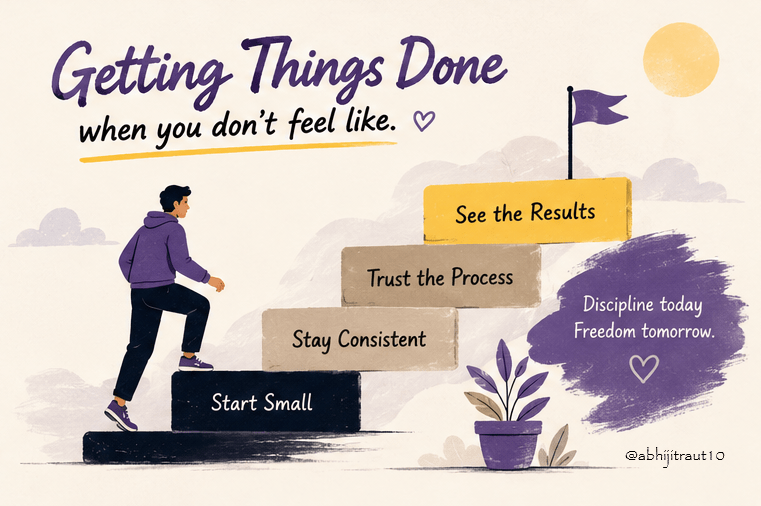
Productivity, therefore, is not about constantly feeling motivated. Motivation is temporary and unreliable; it rises and falls depending on mood, sleep, stress, and environment. What truly makes a difference is learning how to act even when motivation is low. By understanding the brain’s preference for instant rewards and designing small practical systems around it, we can reduce resistance and make action easier. The following strategies are not dramatic life changes. They are simple adjustments that help you move forward, especially on days when doing nothing feels more comfortable than beginning.
Brain’s Motivation System
Our brain was designed for survival, not spreadsheets. It responds strongly to immediate rewards and visible threats. That is why it is easy to spend hours on social media but difficult to begin a long-term project.
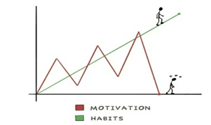
Motivation is not a constant supply of energy. It is a temporary feeling. High performers are not people who always feel motivated. They simply build systems that reduce their dependence on motivation. Instead of fighting their brain, they work with it.
The Motivation Trap
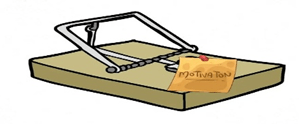
We often wait to feel ready before starting. But feelings are unreliable. They change quickly and are influenced by sleep, mood, and environment.
The brain prefers instant rewards and avoids effort that does not give quick results. This creates a gap between what we want in the long run and what we feel like doing now. Understanding this gap helps us stop blaming ourselves and start adjusting our approach.
Start Small
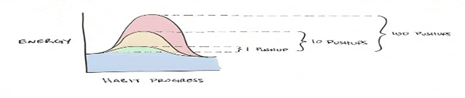
When resistance is high, shrink the task. Make it so small that not doing it would feel unreasonable.
Do one push-up. Write one line. Meditate for one minute.
Lowering the starting barrier reduces mental friction. Once you begin, momentum often follows. The first step matters more than the size of the step.
Set a Timer

Make a deal with yourself: work for five minutes. After that, you are allowed to stop.This reduces the fear of a long commitment.
The brain agrees more easily to a short effort. Often, once the timer starts, you continue beyond it. Beginning is the hardest part; continuation becomes easier.
Change Your Environment

Your surroundings shape your behavior more than your willpower.
Clear your workspace. Keep your phone away. Open the book on your desk. Go to a place where work feels natural.
Instead of constantly resisting distractions, remove them. Instead of relying on discipline, design your environment so that the right choice becomes the easy choice.
Make It the Only Option
Give yourself two choices:
Do the task.
Do nothing.
No scrolling. No alternative entertainment. No background distraction.
When boredom is the only competitor, the task becomes more appealing. The brain prefers productive action over sitting idle with nothing to do.
Use Temptation Bundling

Pair something you need to do with something you enjoy.
Watch your favorite show while walking on the treadmill. Listen to a podcast only while cleaning. Drink your favorite coffee while studying.
This links effort with reward. Over time, the difficult task begins to carry a positive association.
State Change Activation
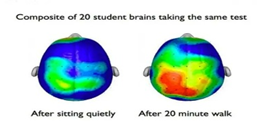
Sometimes low energy is physical, not mental. A short walk or quick exercise can shift your state.
The image suggests a simple 5-5-5-30 routine:
5 push-ups
5 squats
5 lunges
30-second plank
Movement signals the body to shift from rest mode to action mode. Energy often follows movement, not the other way around.
Add Accountability

Tell someone what you plan to do. Ask them to check in.
We treat promises to others more seriously than promises to ourselves. A small public commitment increases follow-through. Social pressure, when used wisely, becomes a support system rather than a burden.
The Ultimate Truth
Motivation is optional. Action is trainable.
People who get things done do not wait for the right mood. They act even when they do not feel like it. Over time, this habit builds confidence and consistency.
The version of you who works without waiting for motivation will accomplish more in one year than the version who waits for inspiration.
In the end, progress is shaped less by how you feel and more by what you do; especially on days when doing nothing feels easier.
 Expressions and Impressions
Great article. Worth reading.
LikeLiked by 1 person
👍
LikeLiked by 1 person
Thanks a lot resp sirA very practical and motivating perspective on productivity.The reminder that actions comes before motivation is truly powerful.Small, consistent steps can overcome resistance and build lasting habits.A great reminder to stop waiting for the right mood and simply start.
LikeLiked by 1 person
Very nice & elaborative article. Useful for people in Private as well as Govt Sector. Thanks.
LikeLiked by 1 person
LikeLiked by 1 person
worth reading
LikeLiked by 1 person
Very true , useful and inspiring
LikeLiked by 1 person
Really helpful and right on time when needed. Thanks Sir.
sumit
LikeLiked by 1 person
Excellent content, conveyed in a very clear, concise and lucid manner.Thank you Abhijit
LikeLiked by 1 person
Trust the process ..it’s absolutely right 👌
LikeLiked by 1 person
Motivation is unreliable, so building simple systems is key to staying productive.Action creates momentum, which means you shouldn’t wait for the right mood to start.Small steps—like working for just five minutes—easily overcome the brain’s mental friction.Consistency comes from taking action, especially on days when you don’t feel like it.
Nitin Nirmal
Nanded
LikeLiked by 1 person